 Non tamen vulgo ignoscere decet; nam ubi discrimen inter malos bonosque sublatum est, confusio sequitur et vitiorum eruptio; itaque adhibenda moderatio est, quae sanabilia ingenia distinguere a deploratis sciat. Nec promiscuam habere ac vulgarem clementiam oportet nec abscisam; nam tam omnibus ignoscere crudelitas quam nulli.
It is not seemly that forgiveness be also vulgar, for where the discrimination between evil and good is removed, confusion and an eruption of vices follows. Thus, a moderation is called for that is able to distinguish between those inward natures capable of being restored to health and those that are hopeless. Promiscuous, vulgar clemency ought not to be exercised, but neither should it be done away with altogether; it is just as cruel to pardon all as to pardon none.
-Seneca's De Clementia (II.2)
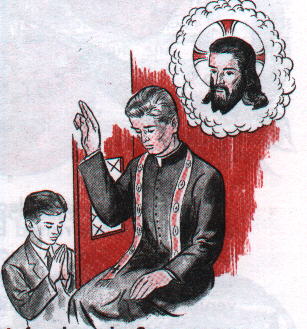
Seneca wrote the moral essay, On Mercy, to the new emperor - Nero. His advice was directed to a man in power, who held authority over others; as such it seems most appropriate to direct comments on this passage to those in the church who hold offices of authority. It is to pastors that the Office of the Keys - of binding and loosing, forgiving and retaining - has been given, and to the same I direct my comments.
The Christian Church has struggled with the question under examination for millenia: when and where should mercy be shown? There have been those who advocated a strict militaristic use of the absolution of sins: let a man demonstrate the depth of his sorrow and commit himself to satisfaction before forgiveness is spoken. On the other side have been those who advocated indiscriminate forgiveness and "erring on the side of the Gospel." Seneca describes these two factions as those who "exercise promiscuous, vulgar clemency," and those who "do away with it altogether."
Certainly nobody would argue when I suggest that the pendulum in our setting has most certainly rested in "promiscuous, vulgar clemency." Forgiveness is proclaimed indiscriminately -I can't help but use Seneca's word - "promiscuously," and most certainly in a vulgar manner (entire congregations absolved at once, along with any strangers who might have wandered through the church's doors).
In following Seneca, I am certainly not going to react against this promiscuity of the Gospel with a removal of it altogether, since this would be a great violence. Neither, however, should such indiscriminate forgiveness be proclaimed; even pagan Seneca can rationally discern that this is a great violence to the Church as well, since it leads to a dissolution of the distinction between good and evil. Rather, I must advocate a "middle path."
What does this middle path look like? Ah, doubtless you may be expecting some strict guidelines or step-by-step instructions? Surely not. The only way to find this middle path of moderation is to carefully discriminate between those inner natures that can be cured and those that are hopeless. This requires a great deal of concentration and effort from both emperors and pastors. It is hard work. It also requires authority. Both emperor and pastor must rest secure in their authoritative power to both mercifully restore or dicisively punish, and wield their authority confidently. Ultimately, it looks like pastor as Seelsorger - caretaker of souls.
While we do the work of both executing and advocating a middle path, it is certainly appropriate that we repent of the violence we have done to our brothers and sisters by "promiscuously and vulgarly absolving," and the repentance should be all the more sincere because we stand rightly accused by a pagan.
-Lucilius
Do you presume on the riches of his kindness and forbearance and patience, not knowing that God's kindness is meant to lead you to repentance? But because of your hard and impenitent heart you are storing up wrath for yourself on the day of wrath when God's righteous judgment will be revealed.
-Saint Paul's Epistle to the Romans (2:4-5, ESV)